
-
Maiolica: Renaissance Childbirth Dining Sets

Sources: Met Museum. [They had a large exhibition of maiolica and not just those for use after childbirth.] Open Science Museum. Two ceramic plates with childbirth designs. JSTOR/ARTSTOR. [there are many examples of these dish sets not listed as maiolica in collections all over the world] Philadelphia Museum of Art. Piccolplasso, Cipriano. 1557. Li Tre…
-
Sadism in the Delivery Room Pt 1 & 2 | Ladies Home Journal 1958 | Read Along
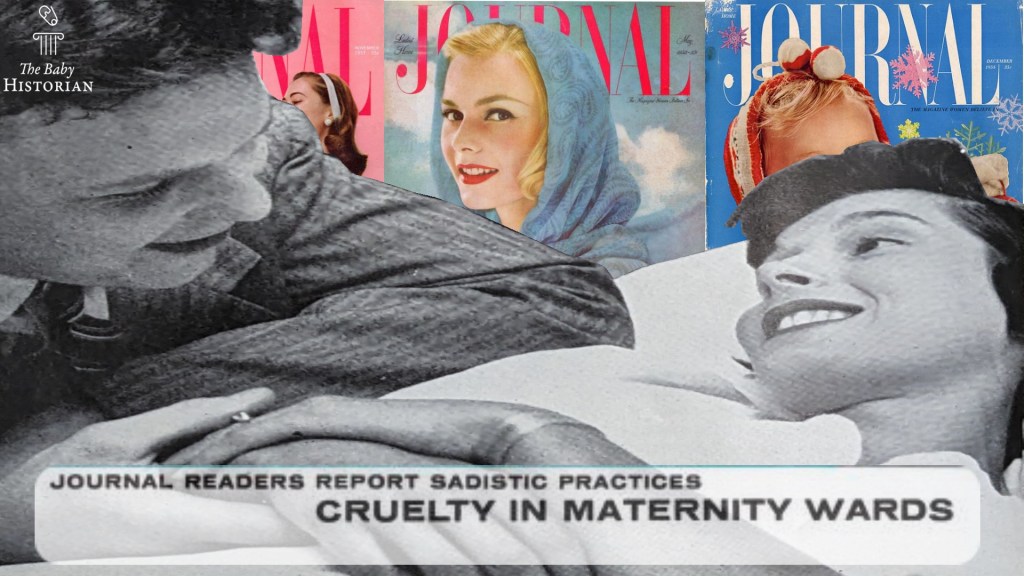
Intro In November of 1957, a Registered Nurse wrote into the Ladies Home Journal asking them, in light of their support of women’s rights, to investigate what she called “sadism in the delivery room”. The editor followed the letter with a brief note asking readers to write in with their experiences. Thousands of letters came…
-
Trends in Obstetrics, 1950 | Read Along

I discovered an article, “Trends in Obstetrics” from 1950 in the Journal of the American Medical Association (or JAMA). It was authored by two doctors from the Boston Lying-In Hospital, Duncan E. Reid and Mandel E. Cohen. Some of the trends they discussed may surprise modern readers/listeners because they are still hot button issues today:…
-
Neanderthal Breastfeeding | Baby History Shorts
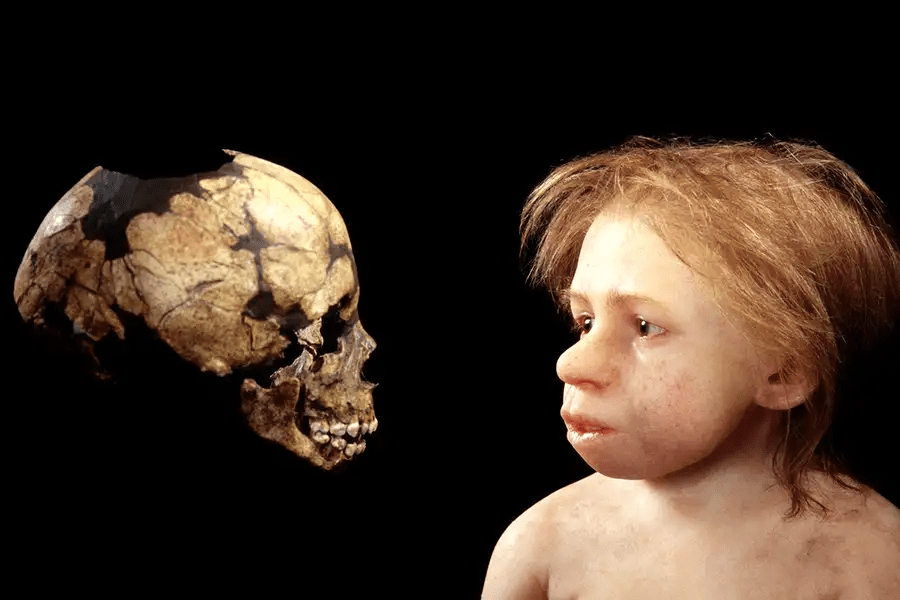
In 2013, a paper looked at the barium deposits in the development of teeth in human children and captive macaques for which feeding history was known. Barium is limited during gestation by the placenta, but immediately after birth, barium deposits shoot up with breastfeeding. Researchers could tell when the human babies were supplemented with, or…
-
The Grandmother Problem

Transcript: Grandmother problems. Do you have them? For example a grandmother unable to let a new parent learn how to take care of their own baby, in their own way. or a new parent using their new role to get back at a mother they think did everything wrong by rejecting all offers of help…
-
Keeping Babies Safe During a Tornado

I’m a bit of a weather nerd and I live in the American midwest where the weather is hostile to human habitation year round. It’s been brought to my attention that a lot of parents don’t know what to do with their baby and little ones when there’s a tornado warning, or what the difference…
-
“Babies Don’t Smother” McCall’s 1952 | History of SIDS Research | Read Along

Read along to this McCall’s article by Edith Sterne about 1952’s latest research on the causes of sudden infant death, long before we had the term SIDS (coined in the 1960s). In particular, that suffocation was not the cause of sudden infant deaths and that stomach sleeping wasn’t a risk factor, a theory which had…
-
King Tut’s Daughters
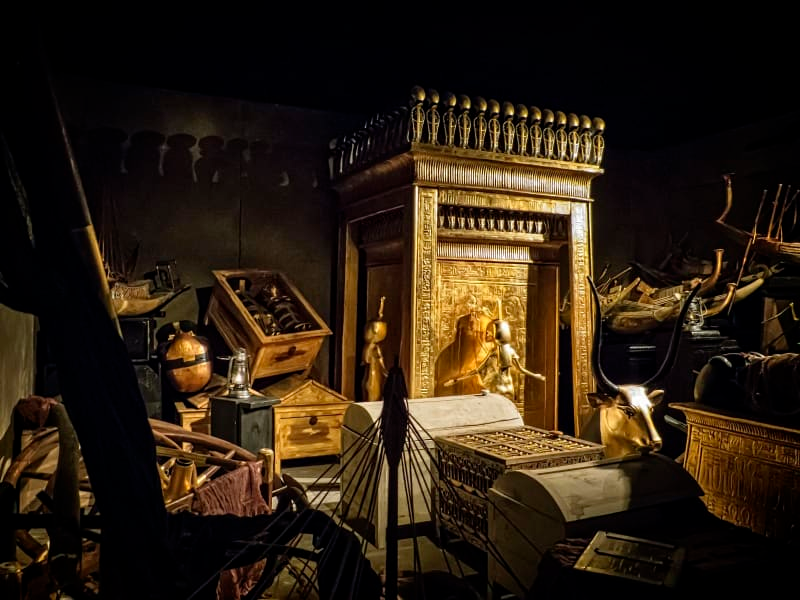
This article will deal with issues of pregnancy loss and stillbirth, with photos of mummified human remains. King Tut, short for Tutankhamun, is arguably one of the most recognized ancient Egyptian pharaohs despite his short life and shorter rule around 3300 years ago yet there is a lot of misconceptions about him in popular culture.…
-
10,000 Year Old Baby Carrier | Baby History Shorts

One of the complications of studying infant care in history, let alone prehistory (before writing), is that organic materials do not survive, that includes the clothing and carriers, as well as the bodies of infants themselves. The lack of remains has many causes: fewer births in preagricultural societies, infants grow into adults, and the remains…
-
The Belly Pad Craze of 1793 | Baby History
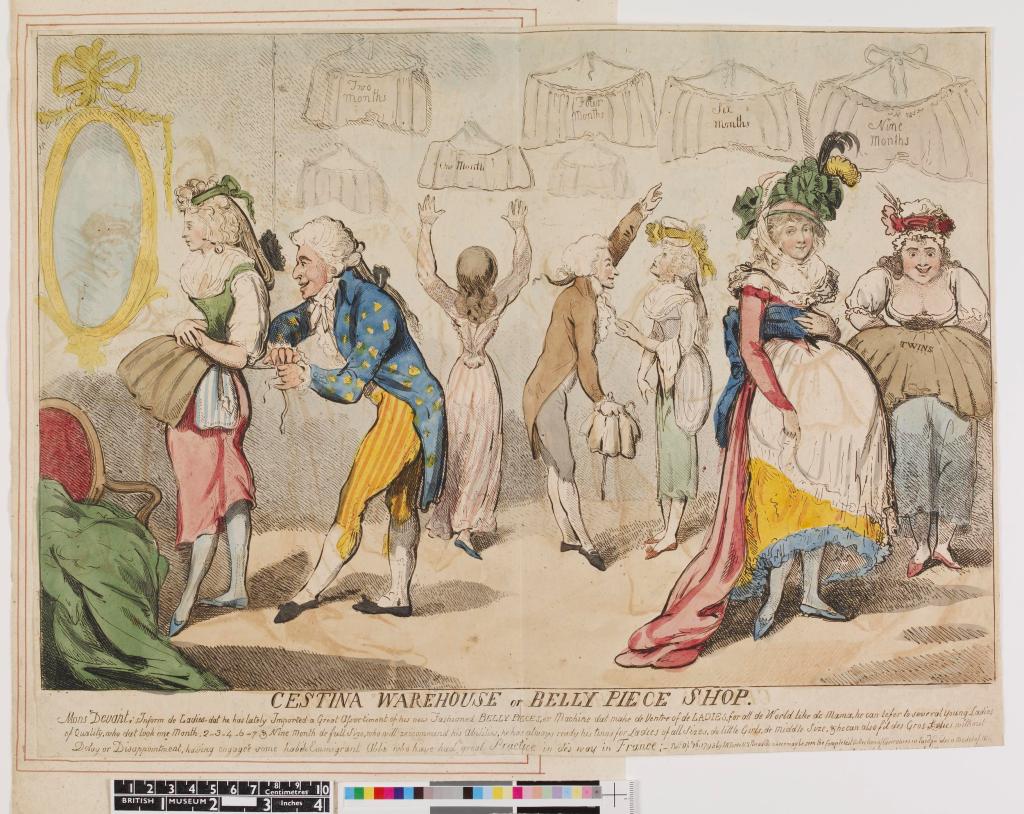
Due to the clingy neo-classical fashions of the 1790s-1810s, for the first time in hundreds of years natural feminine figures were on public display. The change in fashions, within a generation, was dramatic especially in France. The empire waist emphasized the size of the belly making it difficult to hide excess body weight– or a…
 The Baby Historian