
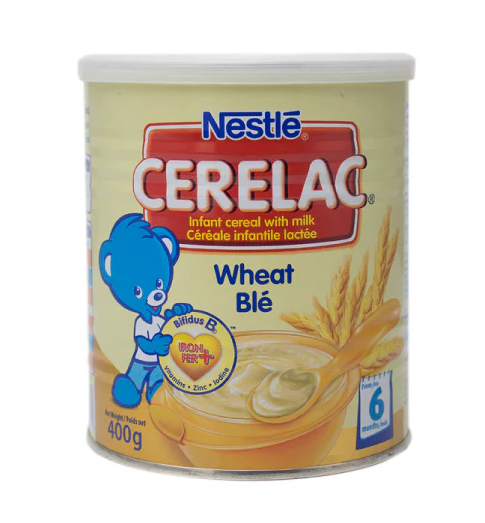
Zurich based watchdog IBFAN sent samples of Nestle brand baby food to be tested and found added sugars. For example, in the Cerelac, wheat based cereal for babies aged around six months, they found on average four grams of added sugar with highest amount in Philippines 7.3g, Nigeria 6.8g and Senegal with 5.9 grams. Seven of the fifteen samples with added sugars didn’t have it labelled.
The controversy is that the samples from Europe and the UK had no added sugars, both have stricter regulations on baby food. The WHO recommends no added sugar or sweeteners in food for children under the age of three, the UK says four years, and the US says two years.
Nestle claims that they have lowered the amount of added sugar in their products by 11% over the last 10 years, but with weasel phrase of “in their worldwide portfolio”. They also claim that differences in formulation are based on local regulations and availability of ingredients.
Sources:
Syed, Armani. 17 April 2024. “Nestlé Adds Sugar to Baby Milk and Cereal in Poorer Nations, Report Finds.” Time. https://time.com/6968112/nestle-sugar-baby-milk-cereal-poorer-nations/
Thorton, Jacqui. 18 April 2024. “Nestlé accused of double standards over added sugar in baby products sold in poorer countries.” BMJ, 385:q898 https://www.bmj.com/content/385/bmj.q898.full
Elci, Aylin. 19 April 2024. “What is the sugar scandal hitting Nestlé and what happens now?” Euronews.health. https://www.euronews.com/health/2024/04/19/what-is-the-sugar-scandal-hitting-nestle-and-what-happens-now
Public Eye Report: Sugar: for Nestlé, not all babies are equal
 The Baby Historian