
In 2013, a paper looked at the barium deposits in the development of teeth in human children and captive macaques for which feeding history was known. Barium is limited during gestation by the placenta, but immediately after birth, barium deposits shoot up with breastfeeding. Researchers could tell when the human babies were supplemented with, or switched to formula – and if weaning to food occurred gradually or all at once.
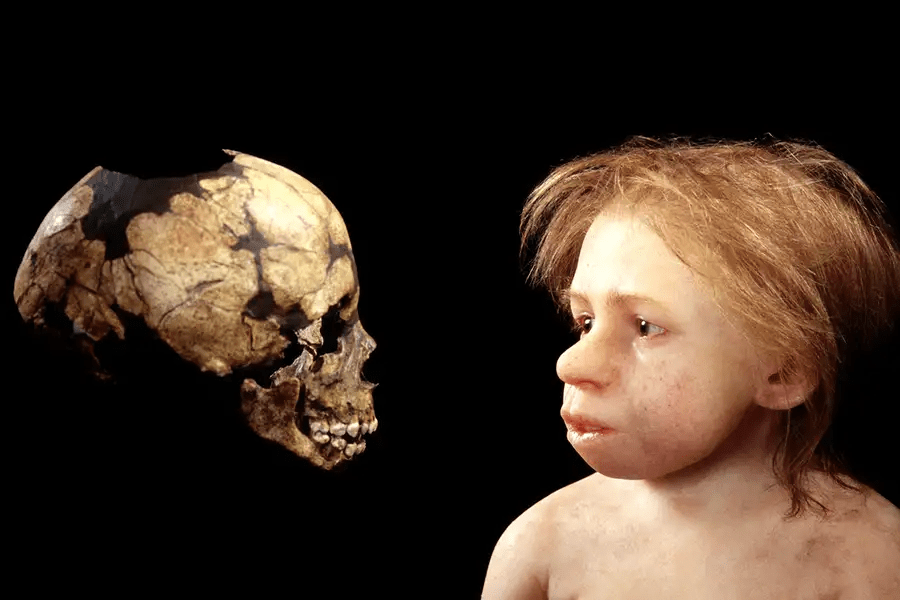
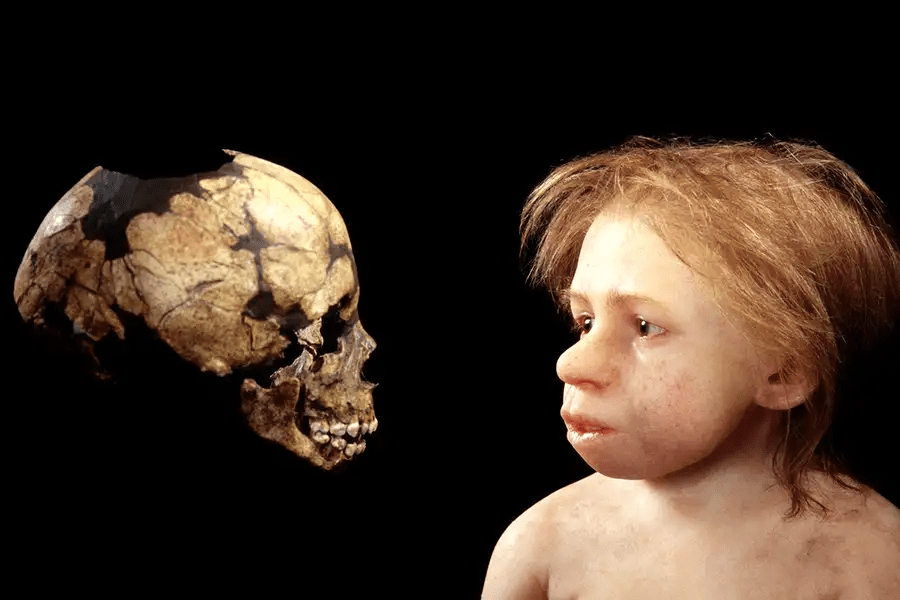
A tooth from a neanderthal child showed exclusive breastfeeding for six months, with a sudden stop to breastfeeding at 14 months. Researchers wondered if this meant neanderthal babies developed faster than humans, thus were weaned sooner. But in 2018, testing of another Neanderthal’s tooth showed breastfeeding exclusively for nine months, slowly weaning until 2.5 years, which is similar to human hunter-gatherers.
The first child’s mother may have become sick or died resulting in the sudden stop, though I’m curious if there were different cultural expectations or environmental pressures for breastfeeding among neanderthal groups as there are for humans.

Sources:
A researcher, Tanya Smith, from both papers is featured in this video from Griffith University.
Austin, Christine, Tanya M. Smith, et al. 2013. “Barium distributions in teeth reveal early-life dietary transitions in primates.” (manuscript version). Nature.
Smith, Tanya, M., et al. 31 Oct 2018 “Wintertime stress, nursing, and lead exposure in Neanderthal children.” Science Advances, 4(10)
and to learn more about the Payre site, I found this paper helpful:
Moncel, Marie-Helene and Silvana Condemi. 2007. “THE HUMAN REMAINS OF THE SITE OF PAYRE (S-E FRANCE, MIS 7–5). REMARKS ON STRATIGRAPHIC POSITION AND INTEREST.” Anthropologie, 45(1): 19-30.
 The Baby Historian